


דסטינוס חושפת את המפגין העל-קולי המופעל באמצעות מימן Destinus 3 בתערוכת אוויר פריז-לה בורז'ה, קובעת מסלול לתעופה היפרסונית בת קיימא
The propulsion system for Destinus 3 will incorporate a kerosene-fueled turbojet engine in conjunction with a liquid hydrogen-fueled afterburner. We’re also developing plans to trial a fully hydrogen-based system for both turbojet and afterburner — Mikhail Kokorich, CEO, Destinus
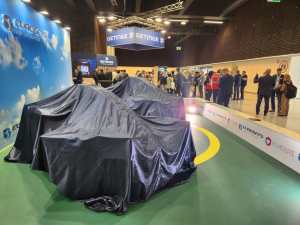
דסטינוס (http://www.destinus.com), a European aerospace firm advancing the frontiers of high-speed, hydrogen-powered aviation, unveiled its third demonstrator, the Destinus 3, at the grand opening of the 54th Paris-Le Bourget International Air Show. This groundbreaking model is set to be the world’s first hydrogen-powered supersonic unmanned vehicle, aiming to achieve a speed of Mach 1.3. Destinus has slated its supersonic flight campaigns, propelled by liquid hydrogen, for 2024.
Destinus is on a mission to launch the world’s first commercial hypersonic passenger plane entirely powered by hydrogen, the Destinus S, between 2030 and 2032. With a proposed cruising speed of Mach 5 and a capacity to accommodate 25 passengers, the Destinus S is set to outpace the Concorde by more than two and a half times. At such velocities, journeys from Paris to New York would take just 1.5 hours.
בהסתכלות קדימה אל שנות ה-40, Destinus מתכננת להציג דגם גדול יותר, Destinus L. המופת הזו צפויה להסיע 300 עד 400 נוסעים לכל יעד עולמי תוך שעתיים או שלוש בלבד, כל זאת תוך השגת מהירויות מדהימות של עד 6 מאך. ה-Destinus L ימנף סטנדרטים קריוגניים ויצירת מימן חדש בתעשייה, ליצירת מימן קריוגנית ומימן ליצירת מימן חדש.
After successfully completing flight tests with two earlier demonstrators and rigorously examining its hydrogen engine both on the ground and in the air, Destinus is celebrating the inauguration of its third full-scale demonstrator, Destinus 3. This advanced 10-meter, 2-tonne prototype is equipped with Destinus’s proprietary hydrogen afterburner technology and a novel autopilot system. The design sets a new benchmark for supersonic capabilities and technological sophistication.
“The propulsion system for Destinus 3 will incorporate a kerosene-fueled turbojet engine in conjunction with a liquid hydrogen-fueled afterburner. We’re also developing plans to trial a fully hydrogen-based system for both turbojet and afterburner,” stated Mikhail Kokorich, CEO of Destinus. He added, “The demonstrator is equipped with a liquid hydrogen tank and an innovative feed system that features an electric pump. Destinus 3 is on track for its inaugural subsonic flight in early 2024, with supersonic flight campaigns to follow in late 2024.”
טכנולוגיית מבער המימן פורצת הדרך נוסתה בהצלחה במאי 2023 במדגמת Destinus 1 (יונגפראו). ה דסטינוס 1 (Jungfrau), רכב 4 מטר, ו דסטינוס 2 (איגר), רכב 10 מטר, כבר הפגינו בהצלחה את יכולתם בטיסה תת-קולית. שני הדגמים הללו סייעו לאמת את יכולות הטיסה של צורת אווירית היפרסונית המבוססת על קונספט של waverider במהירויות נמוכות וקידום המחקר של צורות אווירית היפרסונית, בהתאמה.
Hypersonic will revolutionize aviation technology and usage in the 21st century. It is vital for Europe to remain a leader in the aeronautical field, and not miss this turning point that the USA, China and Russia are preparing,” said General Michel Friedling, former Commander of the French Space Command and member of the Destinus Advisory Board.
“It’s noteworthy that the hypersonic propulsion technologies developed by Destinus are based on the use of hydrogen. This underlines, once again, the unique role of hydrogen as the fuel of the future for aviation,” remarked Philipp Rösler, the former Vice Chancellor of Germany, Minister of Economics and Technology, and current member of the Destinus advisory board.
Hydrogen fuel, with its heat of combustion three times higher than kerosene and exceptional cooling capabilities, has emerged as the optimal choice for building efficient and robust combined cycle engines. These engines would include a turbojet component for subsonic and supersonic speeds and a ramjet for hypersonic speeds. Leveraging hydrogen not only promotes efficiency but also significantly reduces the environmental impact of future hypersonic flights, highlighting Destinus’s commitment to sustainable aviation.
…notes from SP






























עוד סיפורים
עיצוב בתחום ה-AAM: מעצב בכיר בחברת Frank Stephenson Design, יואן מקפרסון, דן בהתפתחויות ב-AutoFlight
ציוד מגן אישי חשמלי (PPE) הוא דבר - מיוצר על ידי OEL Worldwide Industries מבוססי קולורדו
ZeroAvia ו-flyv שותפים בטיסה נקייה לפי דרישה ברחבי אירופה
ZeroAvia מתקדם סיליקון קרביד תעופה מהפך פועל בביצועים מובילים בעולם
Golden Triangle Regional Airport Mississippi, BETA Technologies, & Avflight Establishes Its First Electric Airside Charger
H2FLY And Partners Complete World’s First Piloted Flight of Liquid Hydrogen Powered Electric Aircraft
ASKA A5 Drive & Fly eVTOL מקדם את תהליך הסמכת הסוג של ה-FAA – אב-טיפוס זכה להסמכת כשירות אווירית מיוחדת
ZeroAvia At 54th International Paris Air Show At Le Bourget from 19 – 25 June 2023
Eviation Announces MONTE Ordered Thirty All-Electric Alice Aircraft
H2FLY Reaches Milestone In The Further Development Of Its Hydrogen-Electric Powertrain.
Vertical Flight Society Hosts Second Annual Hydrogen Symposium
Airspeeder Mk4 World's Crewed היברידי מימן מופעל מכונית מירוץ מעופפת