


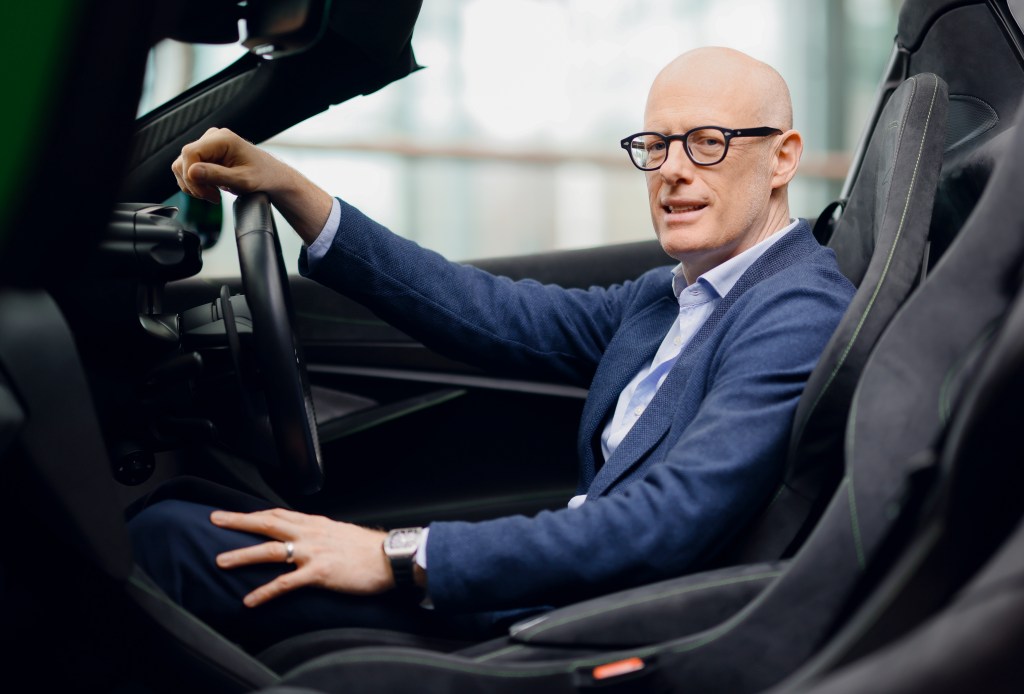
The UK, with its rich history in high-performance automotive manufacturing and elite motorsport, faces a golden opportunity to lead the electrification of supercar production if it can attract investment into the domestic supply-chain, says McLaren Automotive CEO, Michael Leiters.
Mr. Leiters says the existing UK supply-chain is currently not equipped to meet the unique performance requirements of electric supercars and calls on any future UK Government to provide a strategic roadmap for investment in future powertrain technologies.
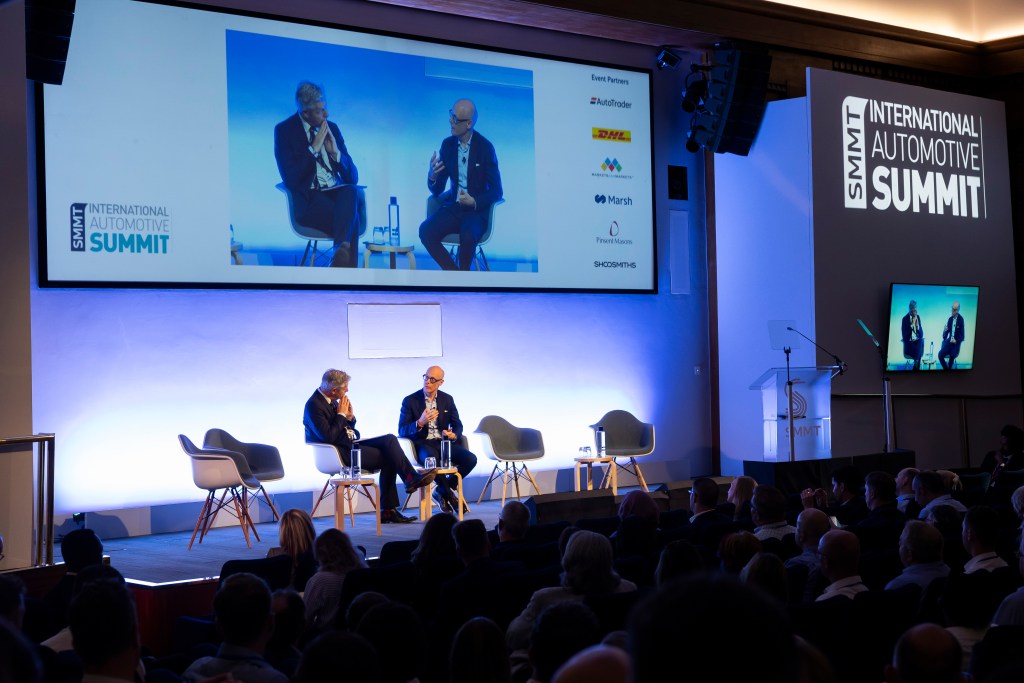

Image Credit McLaren Automotive Media
“A clear industrial strategy, led by investment in the domestic supply-chain, will deliver growth, support jobs, help decarbonize the economy and secure a vibrant future for the UK performance car industry,” says Mr. Leiters.
“It’s time we regained confidence in our sector by investing in a world-class domestic supply-chain to support the development of tomorrow’s high-performance vehicles,” he says.
“The UK was once the world’s largest vehicle exporter. Today it remains home to some of the world’s most admired performance car brands, as well as most Formula 1 racing teams,” says Mr. Leiters.
“We must harness the skills, knowledge and ingenuity of the UK motorsport and performance car industry to create a global, high-performance center of excellence,” he says.
“UK-based luxury and sports car brands command tremendous pricing power thanks to their rich histories, intrinsic brand value and class-leading performance attributes.
“As a result, the productivity gross value added of McLaren employees is 51% higher than that of the UK automotive manufacturing sector.
“With more than 90% of McLaren supercars being exported, the UK performance car industry provides an excellent return on investment for taxpayers,” says Mr. Leiters.
Mr. Leiters says government support is also essential to “de-risk” the transition to electrification.
“The costs of this technological shift are astronomical, especially for low-volume, highly specialized suppliers,” he says.
“Today, customer demand for electric supercars remains extremely low as the technology is not sufficiently mature to rival the performance of today’s hybrid and combustion engine offerings, which makes it a risky investment both for OEMs and their suppliers.
“But we have an opportunity to invest in next-generation, high power-dense battery cell manufacturing and ensure the UK is at the forefront of future performance car powertrain technology,” he says.
“Even hybrid vehicles, which we expect will account for most supercars sold throughout this decade, require the need to locally-source high-performance battery technology due to the EU ‘rules of origin’ requirements on exported vehicles,” says Mr. Leiters.
Mr. Leiters says the challenge of meeting rules of origin requirements would only increase with the shift to pure electric vehicles.
“Today, our hybrid McLaren Artura powertrain has 64% UK content. If this car was a pure EV, the UK content of the powertrain would reduce to 13% because we cannot currently source the relevant componentry in the UK.”
Mr. Leiters says that historically it has been the luxury and high-performance market that has led the industry in technological change.
“Look at the McLaren P1 – a technological trailblazer which proved the capability of high-performance hybrid technology long before electrification was in the mainstream.”
“Developing a pure EV McLaren supercar, which can rival – if not exceed – the performance and driver-engagement of today’s supercars, could help drive the transition towards pure electrification among mass-market customers,” he says.
Mr. Leiters says that attracting the right battery suppliers to the UK would also bring long-term benefits outside the performance car industry.
“In the future, a thriving UK supply-chain specializing in cutting-edge, high energy density cells would not only support supercar production but also other advanced manufacturing needs such as vertical take-off aircraft and drones,” he says.
... заметки из СП
#EVHNews, #EV McLaren,































Больше историй
CES 2026: автомобильные тренды склоняются в сторону ИИ на фоне реалий рынка EV
Присоединяйтесь к крупнейшему в Северной Америке мероприятию ACT, посвященному передовым технологиям коммерческого транспорта.
Электротехнические средства индивидуальной защиты (СИЗ) - это вещь, произведенная компанией OEL Worldwide Industries, расположенной в Колорадо
Hyundai Motor Company и Škoda Group будут сотрудничать в области развития водородной энергетики и энергоэффективных решений для мобильности
Проблемы с клиньями вторглись на 73-ю церемонию Pebble Beach Concours d'Elegance
End Of Life For SOLO EV Start Up Due To Design & Performance Issues
GM Defense предоставляет технологию аккумуляторного электричества для будущих военных платформ
Beyond Hydrogen Trucks GM Fuel Cell Pilot Program Extended to Create Blueprint for Low-Emissions Worksites
BMW Group Breaks Ground On New High-Voltage Battery Assembly Factory In South Carolina
Will Sustainable Mobility Only Be Electric?
Hyperion XF-7 HyperFuel Power Station Pod дебютирует в Лос-Анджелесе
SEMA раскрывает некоторые факты о гиперкаре Hyperion HP-1 с водородным двигателем