


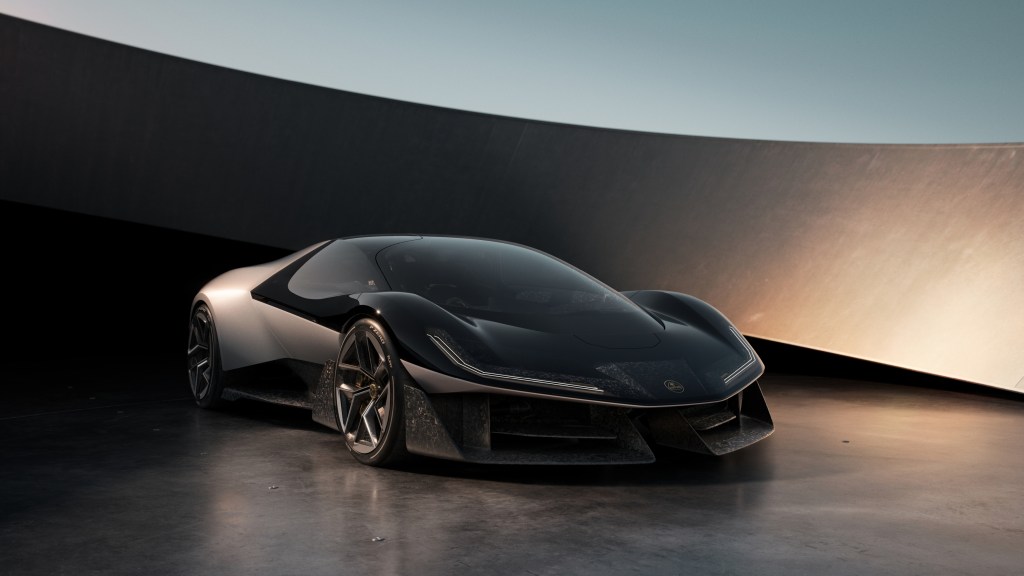
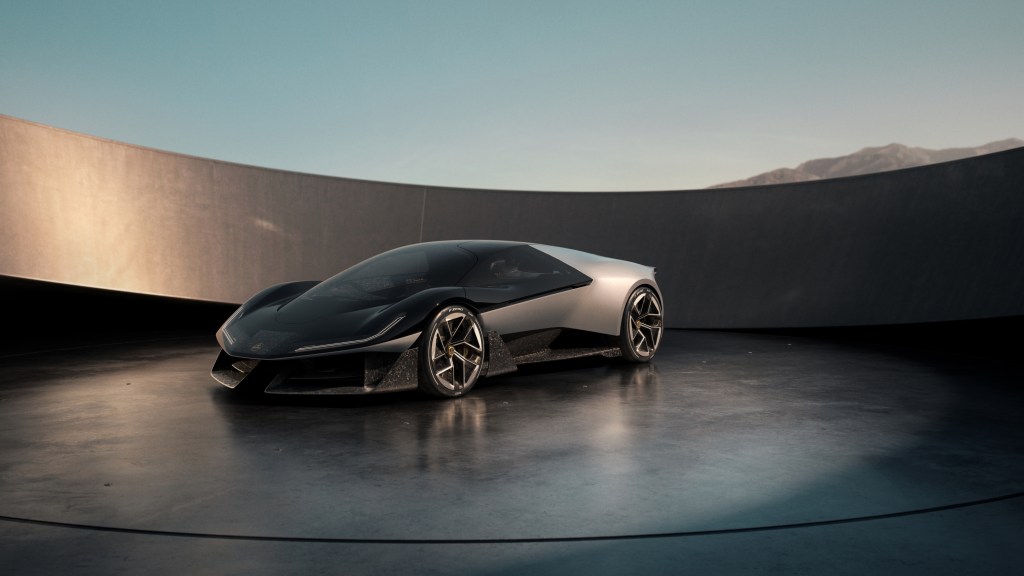
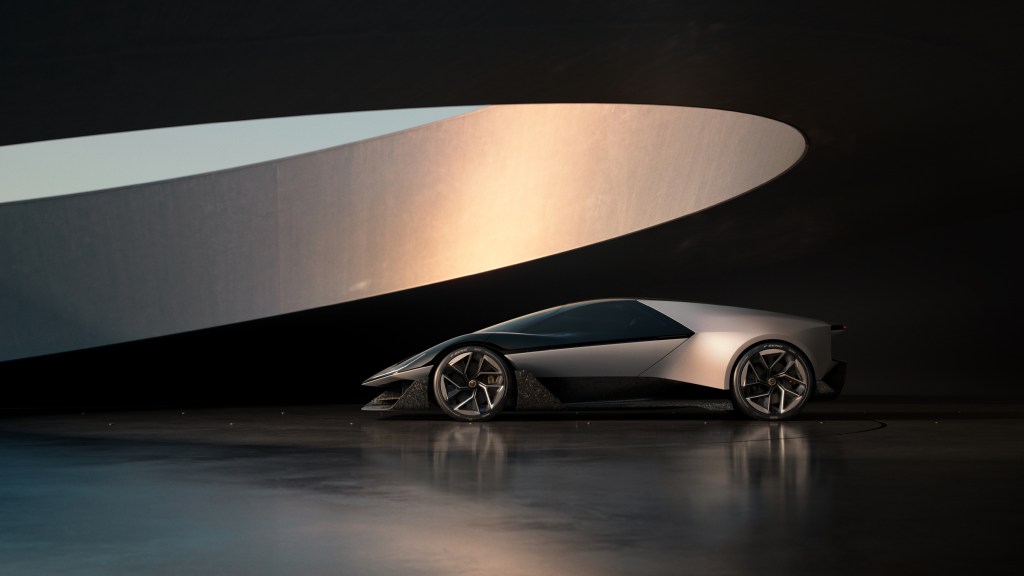
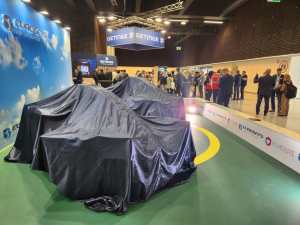
Lotus has unveiled Theory 1, its first concept car that embodies the future of intelligent performance vehicles.
As part of this, Lotus is launching The Lotus Theory, the company’s new design manifesto that will form the foundation for all future Lotus cars, encapsulated through three core principles – Digital, Natural and Analogue (DNA):
- Digital, which represents the immersive, intelligent, and intuitive experience.
- Natural, brings to life emotional, connected, human-centric design.
- Analogue, which is the brand’s continuous advancement of performance engineering.
By seamlessly blending together these core design principles with the latest design innovations from Lotus, as well as cutting-edge technologies, Lotus is able to simplify and enhance how a car should feel and perform. Theory 1 harmoniously fits around the driver and is able to adapt based on their needs – delivering the ultimate driver experience.

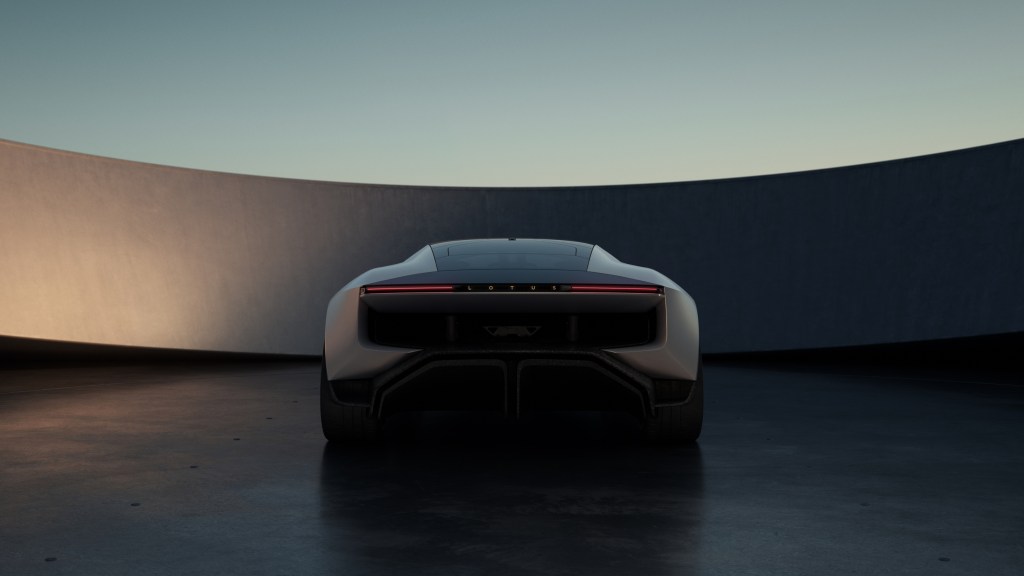
Ben Payne, Vice President of Design, Lotus Group said:
“With Theory 1, we’ve built on everything Lotus has achieved so far in its 76-year history, to push the boundaries for what it means to drive a performance vehicle. We want to demonstrate that you don’t need to compromise – with both digital and analogue capabilities working harmoniously in the future car. In doing this, we are able to bring drivers the best possible immersive driving experience with raw emotion, functionality and connectivity, at the core.”
Theory 1 reaffirms the company’s Vision80 commitment – a transformation into a global performance technology brand. The innovations announced today are expected to be implemented into future Lotus cars in the coming years.
The ultimate immersive and intuitive driver system with LOTUSWEAR™
Lotus has developed its own proprietary driver system called LOTUSWEAR™, which is an immersive system that aims to deliver a personalized experience to every occupant in the car, designed to evoke a sense of raw emotion and pure excitement – and further connect them to the road.
This features an adaptive soft and lightweight robotic textile material, seamlessly enabling the car to communicate with the driver and passengers and offer a more intuitive and comfortable in-car experience. It aims to do this through inflatable pods on the seating and steering wheel that will react in real time to offer more support, grip, and subtle prompts via personalized haptic feedback. For instance:
- Pulses on the left and right sides of the wheel will indicate when the driver should make a turn
- There are five drive modes: Range, Tour, Sport, Individual and Track, delivering comfort and enhancing the driver experience & dynamic ability, as well as constantly adapting to the driver’s surrounding environment. This aims to optimize efficiency, performance, and comfort in any environment.
This component has been created in collaboration with MotorSkins, a startup that specializes in textile-based wearable robotics for every-day use. Theory 1 demonstrates the first time it is being used in the automotive industry.
In addition, LOTUSWEAR™ features 3D printed lattice structure headrests made in partnership with global 3D printing technology company Carbon, to offer all occupants in the car maximum comfort, whilst reducing the weight, improving material efficiency, and optimizing aerodynamics.
To ensure every occupant can enjoy a truly immersive and unique audio experience, part of the headrest is a binaural audio system, which has been designed in collaboration with KEF. It offers individual bespoke soundscapes for each of the occupants, that are further enhanced by the subwoofer speaker located behind the driver seat. Occupants in the car can:
- Enhance ‘speed’ sounds to deliver a sense of thrill, exhilaration, and fun.
- Benefit from noise cancelling abilities to improve concentration and enhance the listening experience.
- Level-up entertainment by providing an impeccable and immersive sound to further elevate the audio experience.
It uses binaural audio technology to do this, which enables channel separation of the sound arriving at each ear – delivering a full-bodied audio experience that feels as if the occupant is sitting in the middle of a recording studio.
Part of the proprietary driving system is the LOTUSWEAR™ Technology Line – a functional technology band running inside and outside of the car, acting as a communication device. It includes:
- Integrated OLED technology to display multiple functions of the vehicle status to the driver and occupants, as well as other road users and pedestrians e.g. detecting the presence of an object or person close to the vehicle.
- Lotus’ 360-degree autonomous driving sensor suite. The fully embedded L4 hardware capability consists of four deployable LiDARs, six HD cameras, and a combination of long- and short-range millimeter radars, plus ultrasonic radars, delivering 360° (5x) perception coverage. This ensures driver confidence by scanning for obstacles at a radius of up to 200m around the car, in every direction, even in low light or inclement weather.
The LOTUSWEAR™ technology line is built on the high-performance NVIDIA DRIVE compute platform – enabling redundant and diverse real-time sensor processing at trillions of operations per second for greater safety and enhancing the vehicle’s capabilities through advanced digitalization and adaptive parameters for optimum driving dynamics.
The LOTUSWEAR™ Technology Line is a homage to the purely functional joining “band” on the Lotus Esprit. It is also an evolution of the line of technology that Eletre and Emeya have within their interior architectures. By grouping the technology all in a singular line throughout the vehicle, Lotus aims to keep the design as minimal and harmonious as possible – a progressive expression of its technology DNA.
A new benchmark for user experience
Theory 1 seamlessly integrates projections, screens, and haptics, with Lotus’ new design manifesto to create a borderless user experience and provide the driver with information quickly and easily through:
- Analogue interactive components and notifications via the adaptive inflatable soft textile material by MotorSkins.
- A digital system that uses intelligent environmental light, LED and laser-light components, and reflections on the windscreen to communicate information with the driver, such as obstacle detection, braking, turns and more.
- Two laser lights on the dashboard wings to indicate left and right turns, working in harmony with the haptic inflation materials on the seats.
- Additional RGB LEDs on the suspension modules, which are visible from the interior, and have green or red signals, depending on the need for braking or acceleration.
- Clear, functional, 2D graphics to display the main data on the steering wheel, ERMDs, and heads-up display. This has been designed with simplicity at the core, using the minimum amounts of fonts and graphic elements.
- Immersive 3D graphics, where a grid of points evolve into lines that change length, color and direction according to vehicle speed, braking, turning, and drive modes – a homage to the Arte Programmatic movement from the 60s.
These key features enable the driver to enhance their use of peripheral vision, meaning they do not need to take their eyes off the road. In doing this, Lotus designed a fluid and intuitive experience for the drivers, so they can focus more on driving, minimizing distractions and further enhancing safety.
A holistic design approach, with minimal materiality and true innovation
With current cars made of an average of 100 A-surface materials, as a concrete action to a more sustainable future and circular economy, Lotus started from scratch to build a car with as few materials as possible.
As a result, the ‘Challenge of 10’ was created, and it is Lotus’ intention and ambition to push the automotive industry forward, demonstrating the company’s north star for future material innovation.
Theory 1 has been designed with only ten main A-surface materials with performance, durability, lightweight, recycled, and recyclable properties. This includes the use of cellulose based glass fiber, recycled chopped carbon fiber, titanium, recycled glazing, recycled polyester, recycled rubber, elastomeric Polyurethane, transparent polycarbonate, thermoplastic polyurethane, and recycled aluminum.
The Challenge of 10 demonstrates Lotus’ commitment to pure minimalism, which is a nod back to Lotus’ simplicity of construction and lightweight principles of the company’s heritage vehicles.
This philosophy is also demonstrated in the LOTUSWEAR™ driver system with the soft robotic fabrics in collaboration with MotorSkins, as well as 3D printed lattice structure headrests in partnership with Carbon.
بالإضافة إلى ذلك، استعانت لوتس بشركة تصنيع الإلكترونيات العالمية Kyocera SLD Laser, Inc.، وهي إحدى شركات مجموعة Kyocera، لتوفير مصابيح الليزر الرائدة في الصناعة في كل من الداخل والخارج، وذلك بهدف توفير نظام إضاءة آمن وقوي ومتطور، مع تقليل حجم المكونات ووزنها بشكل كبير. ويشمل ذلك وظائف DRL من سلك الليزر "الجيل التالي"، والتي يقل قطرها عن مليمتر واحد، ووظائف الشعاع الرئيسي والمنخفض التي يتم توصيلها من خلال عدسات مقاس 7x35 مم.
وباعتبار هذه المبادئ أساسًا لتصميم لوتس، تهدف الشركة إلى تحسين أداء سياراتها بما يتماشى مع مبادئ السباق التي اشتهرت بها لوتس. كما تهدف أيضًا إلى جعل السيارات عالية الأداء أكثر سهولة في الوصول إليها من خلال تبسيط التصميم والتكنولوجيا، مما يجعلها سهلة الاستخدام قدر الإمكان لأي شخص.
تحسين الأداء الديناميكي والتعامل والسرعة
توسع نظرية 1 خبرة لوتس في الهندسة لتزويد السائقين بسيارة كهربائية تعمل بشكل استثنائي وتطلق العنان لثقة السائق من خلال جعل التجربة ممتعة وجذابة قدر الإمكان.
يتضمن ذلك تقنيات ديناميكية هوائية متقدمة نشطة وسلبية بما في ذلك التبريد، والجناح الخلفي النشط، والجزء السفلي السلبي من الهيكل الخلفي. كل هذا، إلى جانب مركز الثقل المنخفض، يعزز الاستقرار ويزيد من خفة وزن السيارة.
تتكامل نظرية 1 بسلاسة مع أنظمة التبريد والهواء المتقدمة، والتي تم تصميمها للعمل في انسجام وزيادة الكفاءة. ويشمل ذلك:
- يحتوي المخروط الأمامي للسيارة على موزع هواء وعواكس هواء تعمل على تقليل السحب، مع ستارة هوائية تعمل على تقليل تأثير السيارة. وقد استوحي هذا التصميم من تراث لوتس في مجال السباقات.
- أرضية سفلية محددة الشكل تعمل على توجيه الهواء عبر قنوات NACA منخفضة السحب إلى نظام التبريد والمنافذ مما يخلق رقاقة هواء منفوخة تقلل من الانفصال، فضلاً عن تمكين قوة أكثر قوة.
- تم تصميم الفتحات الجانبية في السيارة بعناية لعزل التيارات المضطربة عن تدفق الهواء المرفق، وتوجيهه نحو الخلف.
بالإضافة إلى ذلك، تم تصميم Theory 1، المستوحى من سيارة Lotus 49 Formula 1 الثورية، لاستخدام مجموعة المحرك والبطارية كعضو مجهد لأخذ القوى مباشرة من نظام التعليق - مما يقلل من التعقيد والوزن، دون الحاجة إلى إطار فرعي.
The rear wing has also been mounted directly to the motor and suspension assembly to ensure the downforce acts directly on the suspension mounts, all the way through to the tires – reducing losses and frontal lift. The rear suspension system also features a pull rod design, which delivers a more compact package and lower center of gravity.
الهندسة المعمارية الديناميكية المتقدمة في نهاية المطاف، توفر تجربة متطورة وسلسة
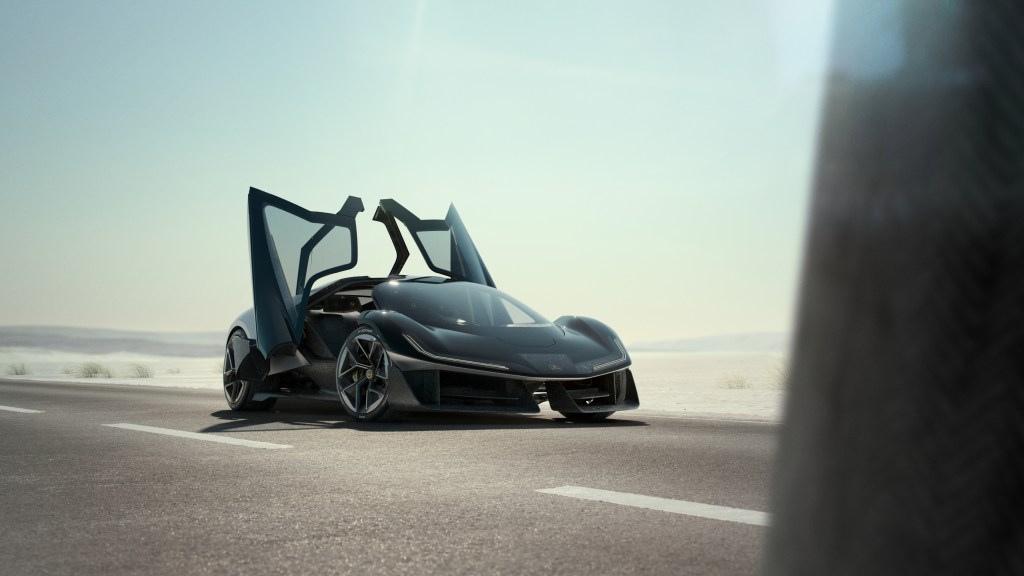
طورت شركة لوتس نظام أبواب خاص للسيارات الرياضية يتيح لجميع الركاب الدخول بسهولة إلى السيارة بفضل تصميمه القابل للفتح للخلف واللف. وبفضل هذا النظام، تمكنت لوتس من تحقيق أصغر مساحة ممكنة مع فتح الأبواب، مما يسمح بالاستخدام العملي للأبواب حتى في الأماكن الضيقة. على سبيل المثال، إذا تم ركن السيارة في موقف سيارات ضيق بمساحة 2.4 متر، فسيظل السائق قادرًا على الدخول والخروج من السيارة بسهولة. كان هذا يمثل تحديًا في السابق مع السيارات الرياضية عالية الأداء المماثلة.
علاوة على ذلك، فإن Theory 1 هي سيارة رياضية بثلاثة مقاعد، حيث يوجد مقعد قيادة مركزي، مع راكب على كل جانب، متموضع خلف السائق. مستوحى من رياضة السيارات، يوفر مقعد السائق في منتصف السيارة للسائق أفضل رؤية ممكنة للطريق أمامه، فضلاً عن سهولة الوصول إلى جميع أدوات التحكم.
كما تم تصميم الجزء الداخلي من هيكل السيارة بحيث يتماشى مع جسم الإنسان، مع دمج المقاعد في الهيكل. وقد صممت لوتس السيارة بحيث تستجيب لجسم الراكب. على سبيل المثال، تتحرك عجلة القيادة والدواسات جميعها نحو السائق.
تتميز السيارة أيضًا بنظام التوجيه السلكي، والذي يتيح الدقة والتحكم عند كل منعطف والقدرة على ضبط نسب التوجيه والسرعة والشعور. تم تصميم هذا لتوفير الدقة وسلاسة القيادة، مما يعزز ثقة السائق بشكل أكبر، ويربطه بالطريق.
تجربة قيادة لا مثيل لها، مدعومة بحمض لوتس النووي
Theory 1 features bespoke Pirelli tires belonging to the P Zero family, Pirelli’s Ultra High-Performance (UHP) range. These have been developed specifically to enhance the vehicle’s performance, with particular attention to limit the environmental impact, and include Elect – Pirelli’s most advanced set of technologies developed to emphasize the characteristics of electric cars.
تتميز إطارات Pirelli Elect ببنية ومواد تدعم الوزن وعزم الدوران العالي النموذجي للسيارات ذات المحركات الكهربائية، مما يوفر متانة أطول وتآكلًا أقل للإطارات وتحسين مدى البطارية. توجد هذه الإطارات اليوم في السيارات الكهربائية للشركة بما في ذلك سيارة Eletre الرياضية متعددة الاستخدامات؛ وسيارة Emeya الرياضية متعددة الاستخدامات؛ وسيارة Evija الرياضية.
كما تتميز السيارة بأحدث أنظمة الكبح المتقدمة عالية الأداء من AP Racing، التي تربطها علاقة طويلة الأمد مع Lotus. ويعود تاريخها إلى Lotus 49 لعام 1967، وتوفر AP Racing اليوم أنظمة الكبح في مجموعة منتجات Lotus الحالية بما في ذلك Evija وEletre وEmeya. تتميز Theory 1 بنظام كبح سيراميك كربوني فائق الخفة وعالي الأداء، مع هيكل من الألومنيوم أحادي الكتلة بتصميم غير متماثل - مما يقلل من المواد حيث لا تكون هناك حاجة إليها.
المواصفات الفنية المستهدفة
| مجموعة نقل الحركة والأداء | |
| Category | النظرية 1 |
| Battery capacity | 70 كيلو وات في الساعة |
| 0-100 km/h (0-62 mph) | <2.5 ثانية |
| القوة القصوى | 1000 حصان |
| Top speed | 320 كيلومتر في الساعة |
| مجموعة WLTP المجمعة | 402 كم / 250 ميل |
| نظام نقل الحركة | AWD |
| Dimensions | |
| Category | النظرية 1 |
| Height | 1140 ملم |
| Length | 4490 ملم |
| العرض (بما في ذلك الكاميرات) | 2000 ملم |
| العرض (باستثناء الكاميرات) | 2000 ملم |
| Wheelbase | 2650 ملم |
| المسار الأمامي | 1720 ملم |
| المسار الخلفي | 1700 ملم |
| بروز أمامي | 1052 ملم |
| بروز خلفي | 790 ملم |
| Weight | <1600 كجم |
| الجسم والشاسيه | |
| Category | النظرية 1 |
| حوض | ألياف الكربون المقطعة المعاد تدويرها |
| جسم | Cellulose composite and polycarbonate |
| Greenhouse | Recycled glass |
| Steering and Suspension | |
| Category | النظرية 1 |
| Steering | Steer by wire |
| Suspension type | Front and read double wishbone |
| Damping system | Active |
| Wheels and Brakes | |
| Category | النظرية 1 |
| Tires – front | Pirelli P-ZERO Elect – 265/35 R20 |
| Tires- rear | Pirelli P- ZERO Elect – 325/30 R21 |
| Rims – front | 20 X 9.5J |
| Rims – rear | 21 X 11.5J |
| Brakes | AP Racing 6 piston calipers
Near-net Monoblock forged |
| Front discs | 390 x 36 mm |
| Rear discs | 390 x 36mm |
… notes from SP
Image Credit: Lotus Media
#EVHNews, #Lotus, #Future, #Intelligent,
World Speed Challenge (worldspeedchallenge.com)
E Racing Nation (eracingnation.com)
EVWRA (evwra.org)
EVVTOL Tech Nation (evvtoltechnation.com)
































المزيد من القصص
وسط الحذر في سوق السيارات الكهربائية الذكاء الاصطناعي الوكيل في السيارات هو الحدود التالية
تحدي إندي للسيارات ذاتية القيادة – CES2025 – سائقو الذكاء الاصطناعي يتسابقون بخمسة تجاوزات في عشرين لفة
عرض مستقبل الذكاء الاصطناعي المادي من خلال سباقات متعددة السيارات والتعاونات الرائدة تعود مسابقة Indy Autonomous Challenge إلى معرض CES في 9 يناير 2025
معاينة لغة التصميم الجديدة تكشف هيونداي موتور عن مفهوم جريء وفعال لمركبة كهربائية تعمل بالهيدروجين
افتتحت شركة Electrify America الحرم الجامعي الموسع للتكنولوجيا
Indy Autonomous Challenge To Host AI & Automation Summit At Indianapolis Motor Speedway
FuelCell Energy and Toyota Announce Completion of World’s First Tri-Gen Production System
تبدأ شركة Electrify America Solar Glow™ 1 عمليات توليد الطاقة المتجددة
تأثيرات ثقافة السيارات الكهربائية والهجينة المستقبلية تغزو معرض CES في لاس فيجاس
متحف بيترسون للسيارات - تجربة ثقافة السيارات في جنوب كاليفورنيا - بينين فارينا
Home EV-Conversion Made Easy In Nigeria For Only $6,000.00
Future Of Transportation As Articulated By Frank Stephenson Captured By 2025AD